
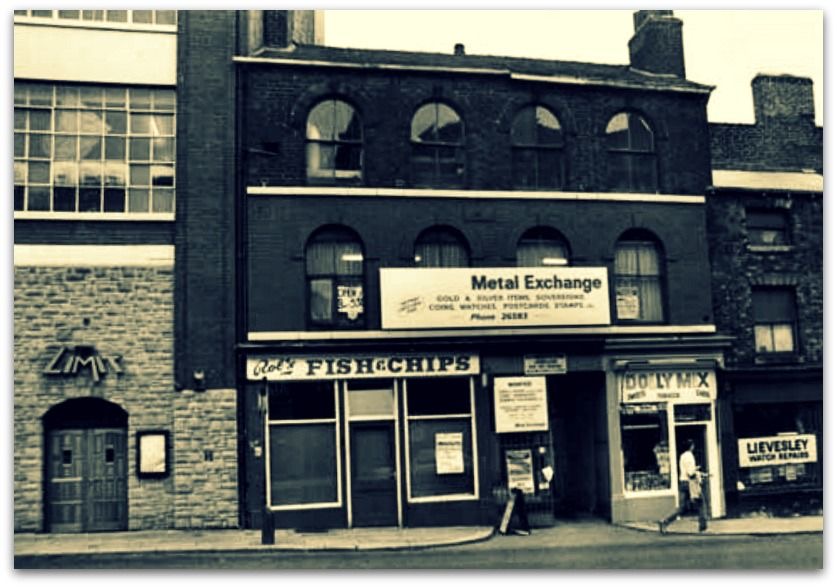
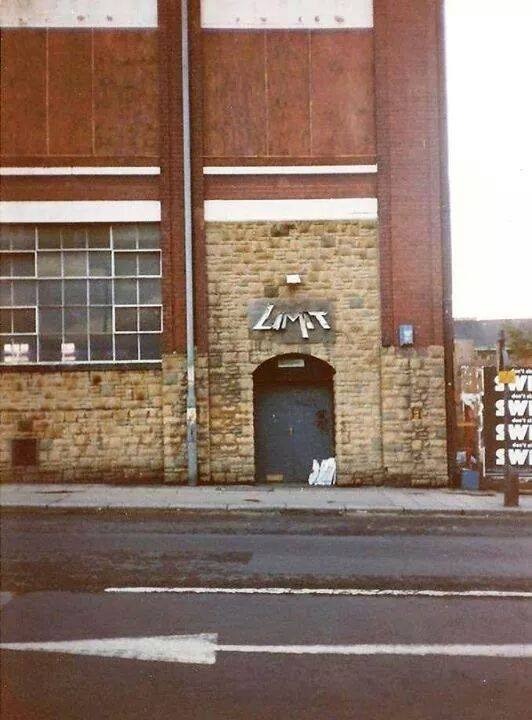
If you’re looking for the true subterranean pulse of Sheffield’s post-punk heydey, you have to head back down the stairs of a building which once stood on West Street. The Limit wasn’t just a venue; it was a gritty, high-energy basement where the city’s DIY spirit fermented into something truly legendary. Opening its doors in 1978, it became a spiritual home for the ‘Steel City Sound’. You could catch The Human League or Cabaret Voltaire experimenting with synths before they hit the charts and achieved wider global relevance. The space felt intimate and unapologetically raw. It transitioned from punk and New Wave into the electronic sounds, continuing until 1991.
We caught up with Sheffield-based author Neil Anderson ahead of Sheffield Beer Week’s ‘Sheffield Synth City’ celebrations launch to ask him about his memories of The Limit. As a heritage project lead specialising in music and nightlife history, he’s even written ‘Take It To The Limit’, the definitive book on the legendary West Street club. He is also currently developing a major heritage project to secure its legacy for future generations.
Please share a little bit about The Limit project you’re working on and why it’s so important to you …?
The Limit project is about correcting an imbalance in Sheffield’s cultural story. I didn’t go in the very early days. I was too young. I probably started going around 1985. By then it was already established, already slightly notorious. I had no idea about its deeper history. I just knew that when I walked down those steps off West Street, something shifted.
Years later, when I began researching Sheffield’s music heritage properly, I realised what had actually happened in that basement — the punk refuge, the early electronic experimentation, the goth years, the transition into rave. And I also realised that, while Manchester’s Hacienda became a global cultural icon, The Limit barely featured in the wider narrative. That didn’t sit comfortably with me. The Limit was Sheffield’s Hacienda – in many areas it achieved far more.
Writing Take It To The Limit felt like a privilege — like becoming a custodian of something bigger than myself. When the first book came out 15 years ago, we held reunion events that attracted 800 people within hours of tickets going on sale. That told me something profound: this wasn’t just nostalgia. The place still mattered deeply.
The project now is about properly documenting that legacy through recorded interviews, archive material and public engagement — while the people who built it and lived it are still here to tell the story. The Limit has an extraordinary legacy. It’s time more of the world understood that.
Can you share a favourite personal memory from The Limit nightclub?
It wasn’t glamorous. The toilets flooded. The floors were sticky. It could feel chaotic, slightly unhinged. But that was part of its charm. You either loved it or hated it – nobody were slow in coming forward with their feelings!
What I remember most is how immediately at home I felt. It was subterranean, dark, loud — but welcoming in its own way. You didn’t have to explain yourself down there. You just belonged. I made friends for life in that basement. Proper friendships that carried on long after the lights came on and long after the club eventually closed.
There was a sense of shared identity — misfits, creatives, students, future musicians, people who didn’t quite fit the mould of mainstream Sheffield. It felt like ours. Looking back, I realise I was standing in a space that had already shaped a city’s cultural direction. At the time, I just knew it felt important.
Why and how did The Limit become so instrumental in Sheffield’s electronic musical legacy?
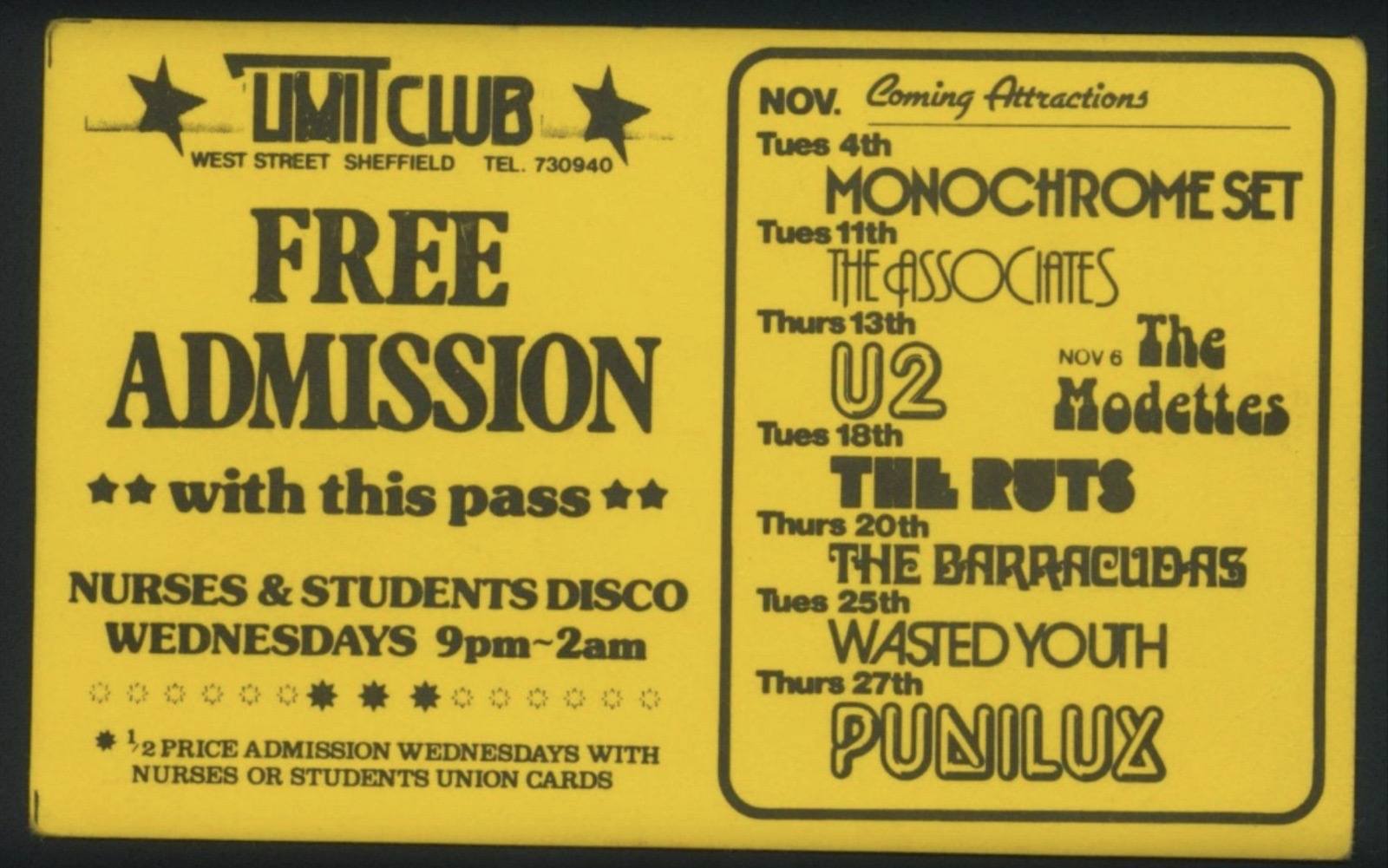
The Limit mattered because it gave space to ideas before they were fashionable. It opened in 1978 as a safe haven for punk in a city that wasn’t exactly known for embracing new movements. In fact it didn’t really embrace in many areas but the DIY ethic it championed provided Sheffield with the tools to do something totally differing.
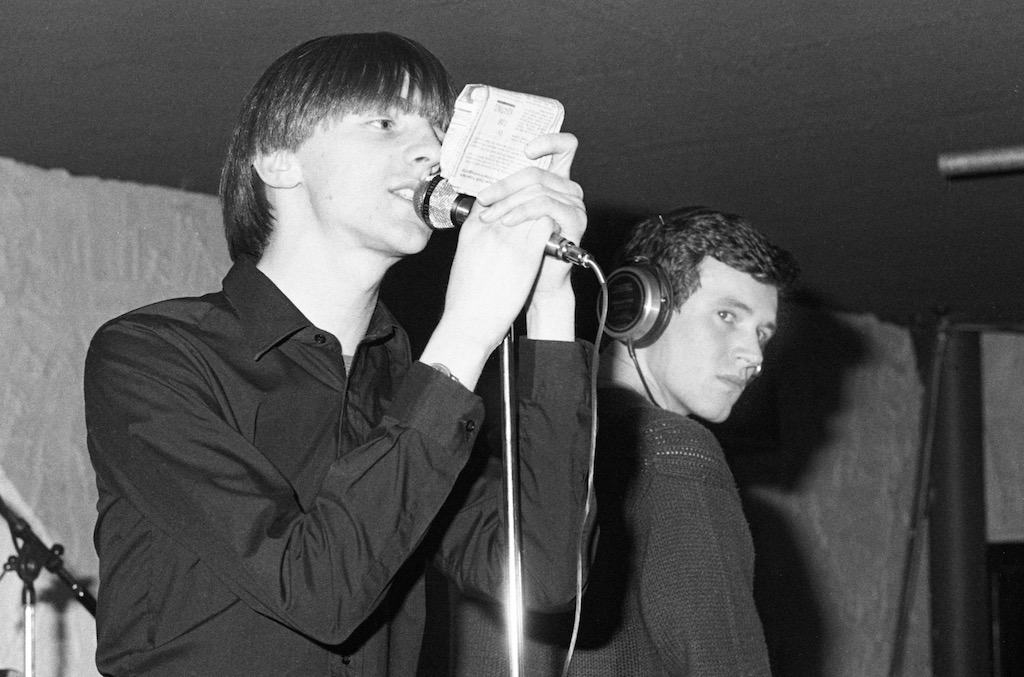
As Sheffield’s electronic scene began to crystallise in the late 1970s, The Limit became part of the eco-system. It provided a stage for experimentation. All the musicians used it as a safe haven. It embraced club culture as well as live music. Human League, Cabaret Voltaire, Vice Versa, Clock DVA – they all played some of their earliest gigs there.
Later The Limit became a goth epicentre, largely ditched live music and later pioneered early rave nights. It wasn’t stuck in one identity. It kept moving which was essential for a club to last 13 – which is a long time in clubland!
Manchester’s Hacienda became internationally mythologised. But culturally, for Sheffield, The Limit played a similarly catalytic role. The difference is that one city’s story travelled further. This project is about ensuring Sheffield’s story travels too.
What would you like to achieve from The Limit project?
Preservation first. Recording the founders, DJs, musicians, staff and regulars in depth. Capturing memories before they’re lost. Securing memorabilia. Contextualising it properly within the wider northern music story.
But beyond that, I want The Limit to be recognised as a cornerstone of Sheffield’s creative confidence — not just a nightclub with legendary nights and sticky floors, but a venue that helped shape a city’s identity.
If, in years to come, The Limit is routinely acknowledged alongside the great northern venues in discussions about electronic and club culture, then I’ll feel we’ve done it justice. Because I walked into that basement as a young lad and felt I belonged. And it’s been a privilege to help safeguard its history ever since.
* Anyone who want to explore the original story in more depth, my book Take It To The Limit is available here:
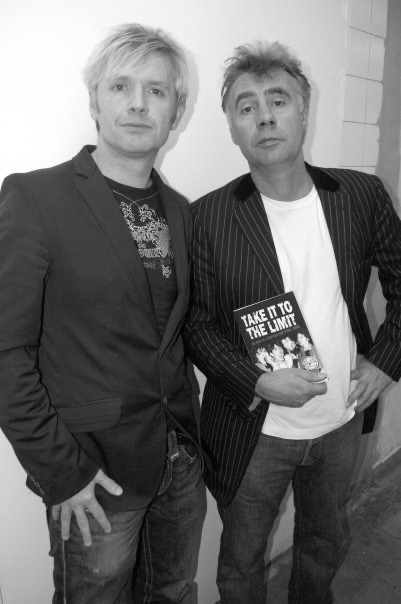
launching the original book in 2009
Look out for over 11 collaboration beers inspired by ‘Sheffield Synth City’ heading out around the city for Sheffield Beer Week’s launch Monday 9th March from:
Abbeydale Brewery
Bradfield Brewery
Duality Brew Co
Emmanuales
Kelham Island Brewery
Little Critters
Little Mesters
Saint Mars of the Desert
Tapped Brew Co
Ticking Clock
Triple Point Brew Co
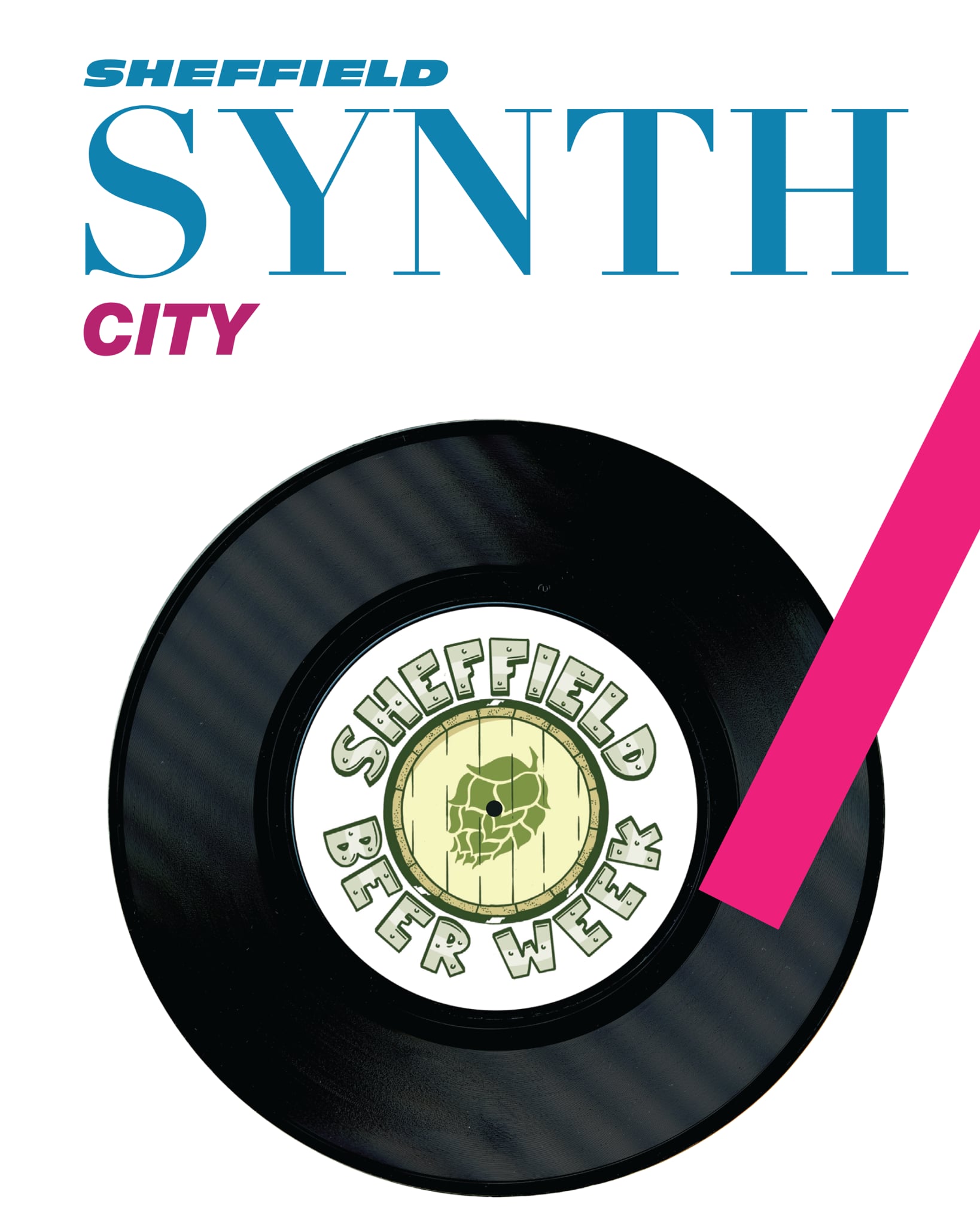
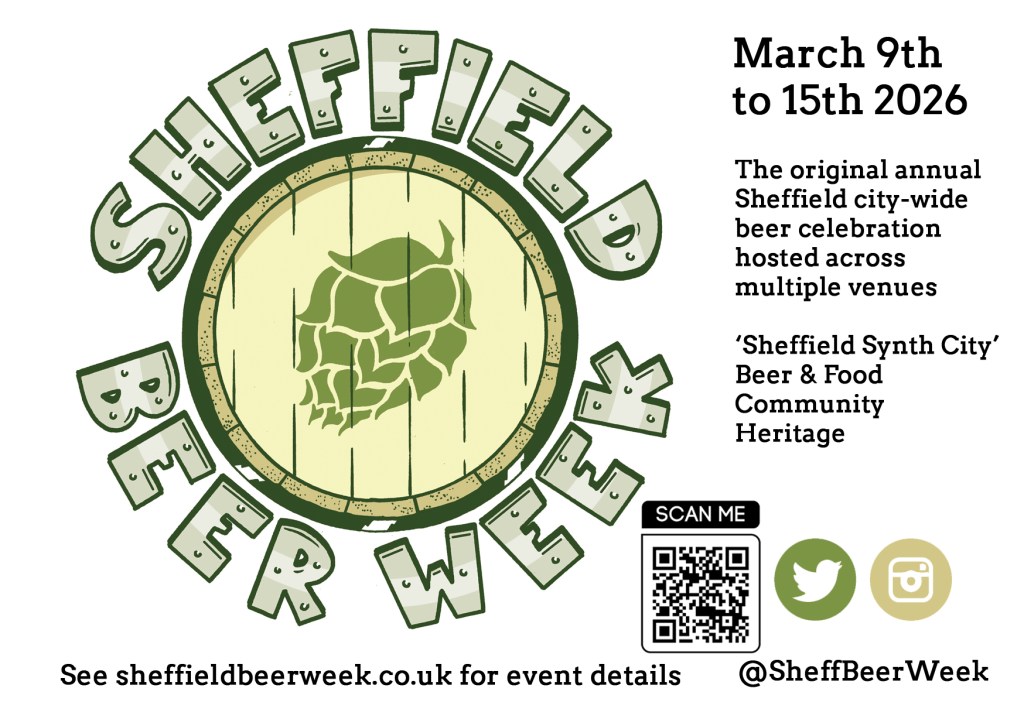
A limited map has been designed by artist Lewis Ryan to accompany this – check out a couple of images below….



Leave a comment